In short
- Calm, warm waters (27°C to 29°C) are safe for beginner snorkelers.
- Kids can watch wild Javan deer roaming the white-sand beaches.
- Bring all food, water, and shade; the island has no shops.
In this article
A trip to Menjangan Island is highly rewarding for families. Located 8 km (5 miles) off Bali's northwest coast, the protected island offers clear waters. It is completely uninhabited. Parents need to plan ahead to ensure children stay comfortable throughout the day.
Is the snorkeling safe for children at Menjangan Island?
Yes, the water conditions are consistently calm and warm. This makes it ideal for young beginners.
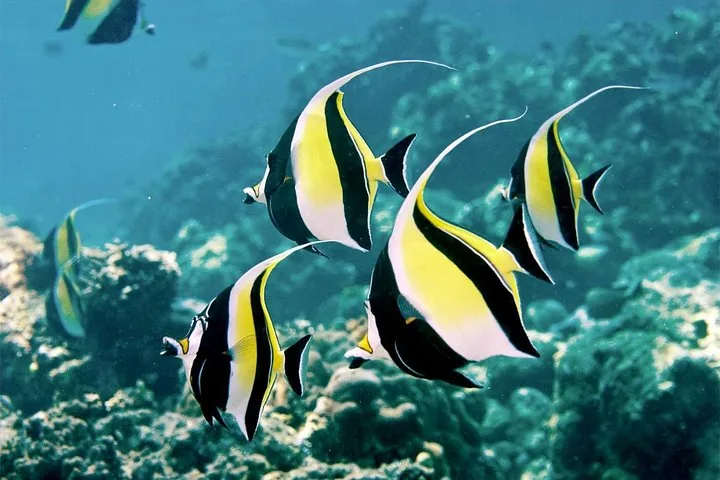
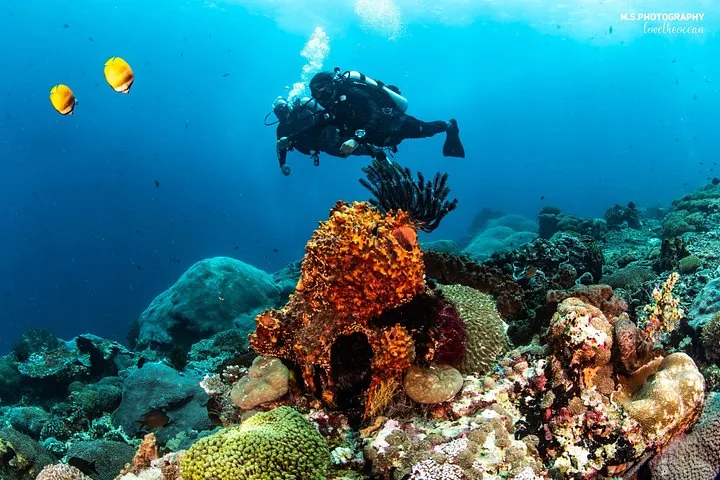
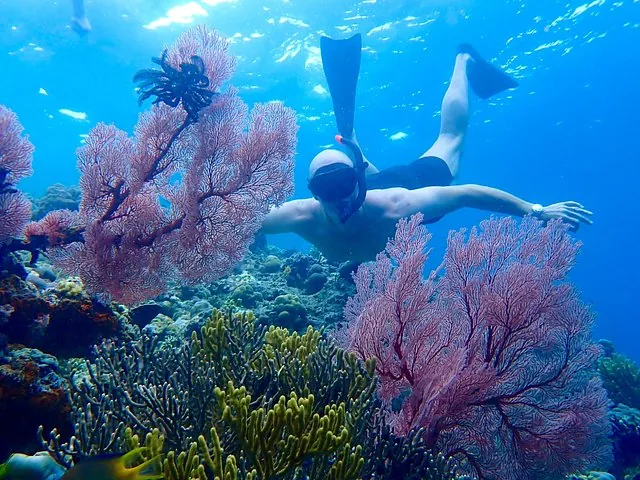
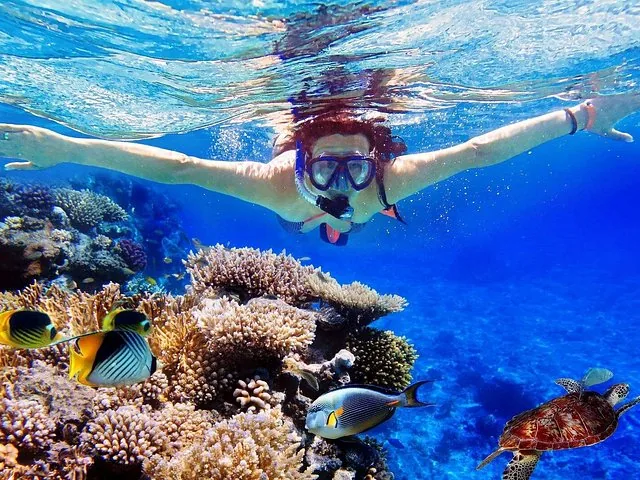
The sea around the island is sheltered. Water temperatures average 27°C to 29°C (80°F - 85°F) year-round. Marine visibility reaches 30 to 40 meters (98 to 130 feet). Children can see fish and coral clearly from the surface without swimming deep. The shallow reef sections allow kids to float safely.
Will kids see wild deer on the beaches?
Yes, families frequently spot wild Javan deer resting on the white-sand beaches.
The island's name translates to "Deer Island" in Indonesian. The deer roam freely across the island and along the coastline. Keep a respectful distance from the animals. Ensure children do not approach, touch, or feed them. Observing the deer from the boat is a major highlight.
How long is the journey with kids?
Expect a 3.5 to 4-hour drive from South Bali. A 30 to 40-minute boat ride follows.
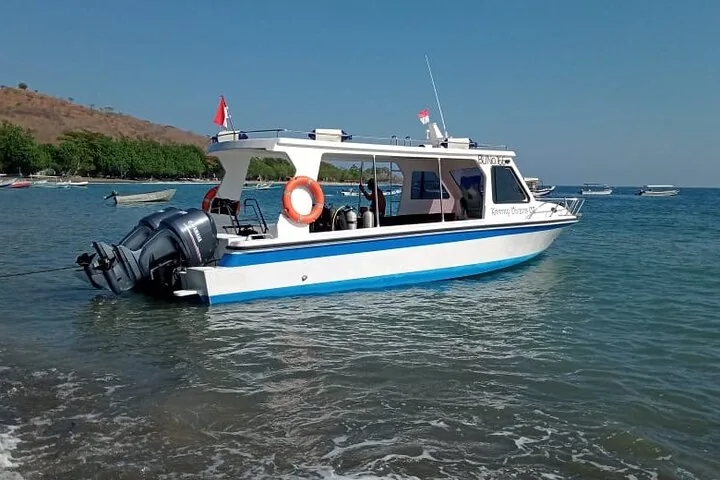
Traveling from Seminyak, Canggu, or Ubud to Pemuteran or Labuhan Lalang takes up the morning. Ride-hailing apps do not operate reliably in the national park. Families should hire a private car. The final boat transfer is short and operates on calm waters. This minimizes the risk of seasickness.
What should parents pack for children?
You must bring all food, drinks, and sun protection. The island is completely uninhabited.
- Reusable water bottles and snacks
- Reef-safe sunscreen and swimwear
- A lightweight travel towel and dry bag
- Mosquito repellent for mainland waiting areas
There are no restaurants, shops, or facilities on the island. Book a tour that includes a lunch box and water. This makes the day much easier for families.
How much does a family visit cost?
International visitors pay IDR 200,000 per person on weekdays. The fee is IDR 300,000 on weekends or holidays.
You must also pay IDR 15,000 per person for a snorkeling permit. Hiring a certified national park guide is mandatory. This costs approximately IDR 350,000 per group. Many families book all-inclusive snorkeling packages. These combine the boat, guide, and entry fees.
Are there age limits for diving?
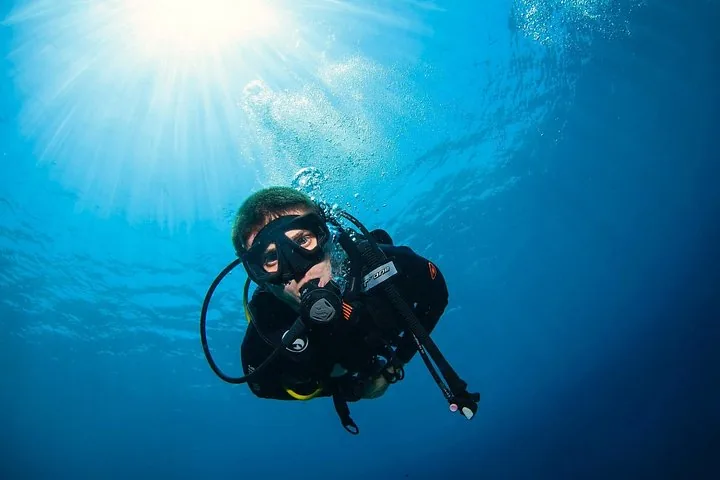
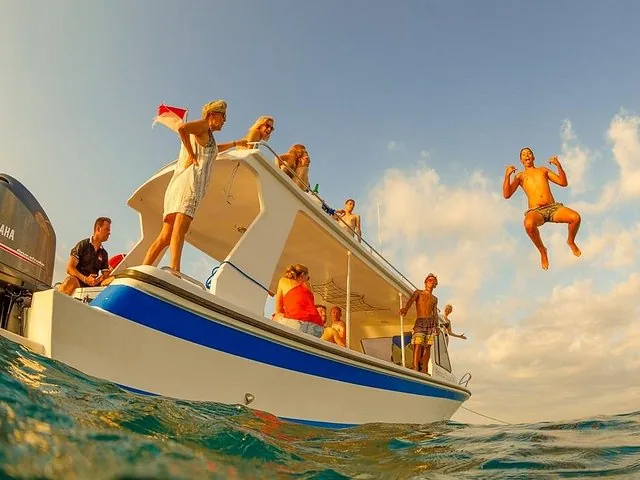
Snorkeling is open to all ages. Children generally need to be at least 10 years old to try scuba diving.
Standard snorkeling gear is widely available to rent. If your child has a small face, bring their own well-fitting mask. This prevents leaks and frustration. Older teenagers interested in diving can participate in beginner programs. Deep dives are strictly for advanced-certified divers.
When is the best time for a family trip?
The dry season from April to October offers the calmest seas. It also provides the best underwater visibility.
Visiting during these months guarantees a comfortable boat ride. The water remains warm, and the lack of heavy rain keeps the sea flat. Arrive early in the morning at the Labuhan Lalang jetty. This helps you secure permits and avoid the midday heat.
Questions travellers ask
Can we stay overnight on the island with kids?
No, there are no accommodations or restaurants on the island. All visits are strictly day trips. You must return to the mainland by the afternoon.
Are there toilets on the island?
No, the island is a protected, uninhabited natural site. It has zero facilities. Families should use the restrooms at the Labuhan Lalang jetty or their dive center before boarding the boat.
Can kids touch the coral or feed the fish?
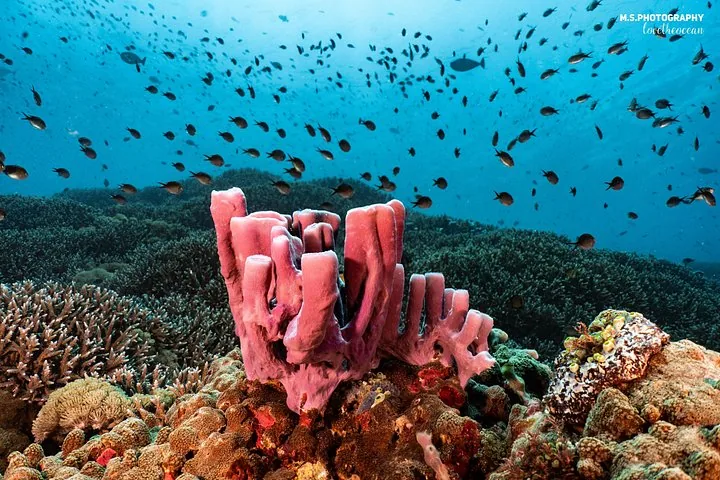
No, visitors must not touch, stand on, or kick the coral reefs. This prevents damage to the fragile ecosystem. Feeding the fish or wild deer is also strictly prohibited.